
About Us
At ZeX Wood Flooring, we're passionate about creating beautiful, durable wood floors. With expert fitting, sanding, and refinishing services, we transform spaces and enhance lives. Contact us to learn more.
Get a free quote
Transform Your Space with ZEX Wood Flooring
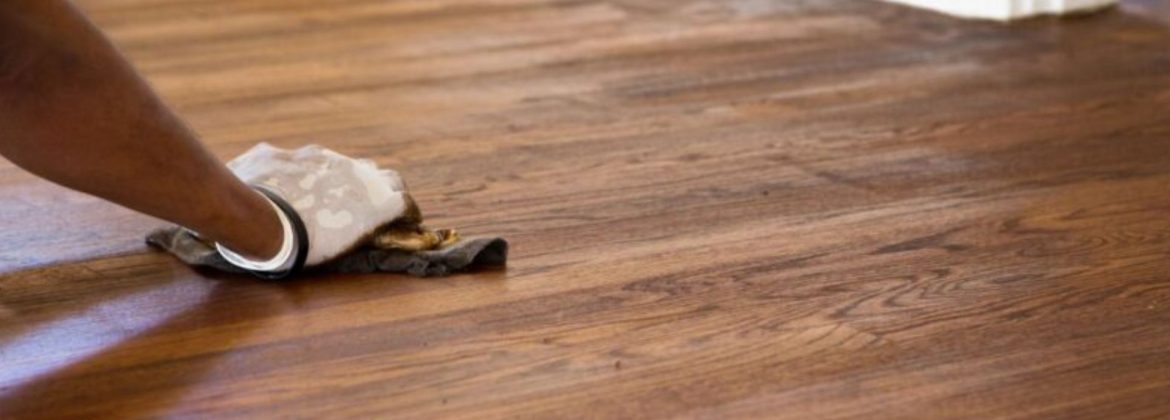
When a wooden floor starts showing scratches, dents, stains, loose boards, or signs of wear, many homeowners immediately consider replacing it. However, complete replacement is not always necessary. In many situations, Wood Floor Repair in Essex can restore the appearance and usability of an existing floor while preserving its original character.
The right choice depends on the type of flooring, the extent of the damage, the age of the timber, and the overall condition of the floor. Before making a decision, it is worth understanding what repair, restoration and replacement can each achieve.
When Is Wood Floor Repair a Better Option?
Repair is generally suitable when the damage is limited to particular areas rather than affecting the entire floor.
For example, individual scratches, dents, chips, small gaps, stains, or loose boards may not justify removing a complete floor. A skilled flooring professional can assess the affected section and determine whether it can be repaired or refinished.
This approach can be particularly useful for older properties where the existing timber contributes to the character of the room. Keeping original flooring can help maintain the property’s traditional appearance rather than replacing it with completely new materials.
Repair can also reduce disruption. Instead of removing flooring throughout a room, work can be concentrated on the areas that actually need attention.
When Should You Consider Floor Replacement?
Replacement may be more appropriate when the flooring has suffered extensive or irreversible damage.
For instance, timber that has been badly affected by prolonged moisture, severe rot, major structural problems or repeated unsuccessful repairs may no longer be suitable for restoration. Similarly, flooring with insufficient usable timber or extensive movement may require more substantial work.
Replacement can also make sense when you are planning a completely different style or want to change the layout, colour or type of flooring throughout the property.
However, the condition of the existing floor should always be assessed before deciding to remove it. What looks like a floor that needs replacing may sometimes be suitable for professional restoration.
Repair vs Replacement: The Main Differences
There are several factors worth considering before choosing between the two options.
1. Cost
One of the biggest considerations is budget. Repairing or restoring a localised area generally requires fewer materials and less labour than removing and installing an entirely new floor.
The final price will depend on the floor size, timber type, damage, and finish required. For this reason, obtaining an assessment before committing to replacement can help you understand the most practical solution.
2. Appearance
A good repair aims to blend the affected area with the surrounding timber. Colour, grain, texture, and finish all need to be considered to achieve a natural-looking result.
For floors that have become dull or scratched across a larger area, sanding and refinishing may be more suitable than individual spot repairs. Professional restoration can remove worn surface layers and prepare the timber for a fresh protective finish.
3. Time and Disruption
Replacing an entire floor can involve removing the existing boards, preparing the subfloor, installing new materials, and finishing the surface.
Restoration can often involve less disruption, particularly when the existing floor is structurally sound. The exact timeframe will depend on the condition and size of the floor and the work required.
4. Character of the Existing Floor
Older timber flooring can have natural variations, aged grain patterns and details that are difficult to reproduce with modern materials.
If you own a period property, preserving the original boards or parquet may be an important consideration. Wood Floor Restoration in Essex can help improve an ageing floor while retaining some of the character that makes it distinctive.
What Does Wood Floor Restoration Involve?
Restoration is more than simply covering up visible damage. It can involve several stages depending on the condition of the flooring.
The process may begin with an inspection to identify loose boards, scratches, stains, uneven areas, and other problems. Any necessary repairs can then be completed before sanding or refinishing begins.
Sanding removes worn surface layers and can help reduce the appearance of scratches and old finishes. Once the timber has been prepared, a suitable finish can be applied to protect the surface and improve its appearance.
For floors with more extensive wear, restoration can therefore provide an alternative to full replacement.
Which Option Is Better for Scratched Floors?
Minor scratches do not automatically mean that the flooring needs to be replaced.
Light surface marks may sometimes be addressed through refinishing, while deeper scratches may require localised repair before the floor is sanded and finished.
The depth of the damage matters. A scratch affecting only the finish is very different from one that has penetrated deeply into the timber.
If scratches are spread across a room, refinishing the whole floor may create a more consistent appearance than repairing individual marks separately.
What about Loose or Damaged Floorboards?
Loose boards can often be secured rather than replaced. However, the reason for the movement should first be identified.
A professional assessment can determine whether the issue is related to fixings, movement, damaged timber, or another underlying problem. Simply filling visible gaps without addressing the cause may not provide a lasting solution.
Where a board is beyond practical repair, replacing only the affected section may be possible rather than removing the entire floor.
Is Restoration More Sustainable Than Replacement?
Keeping usable flooring in place can reduce the amount of material that needs to be removed and disposed of. It also allows homeowners to make use of timber that may still have many years of service remaining.
This is particularly relevant when dealing with solid wood or well-maintained older flooring. Rather than automatically treating an ageing appearance as a reason for replacement, restoration allows the condition of the timber to be considered first.
How to Decide Between Repair and Replacement
Before making a final decision, consider these questions:
- Is the damage localised or spread throughout the room?
- Is the timber structurally sound?
- Has the floor been affected by moisture or rot?
- Can damaged boards be repaired or replaced individually?
- Would sanding improve the overall appearance?
- Do you want to preserve the original character?
- Would a new floor provide a significant practical or design advantage?
A professional inspection can answer these questions more accurately than judging the floor by appearance alone.
Why Choose Zex Wood Flooring?
Zex Wood Flooring provides wood flooring services including fitting, sanding, refinishing, and restoration. The company’s existing service information highlights restoration work for issues such as deep scratches, loose boards, and moisture-related damage.
For homeowners considering repair or replacement, an assessment can help establish whether the existing timber is suitable for restoration or whether replacement would be more appropriate.
The goal should not simply be to make an old floor look new. A well-planned restoration should improve its appearance while respecting the condition and character of the existing timber.
Final Thoughts
So, is wood floor repair better than replacement? There is no single answer for every property.
If the timber is fundamentally sound and the damage is manageable, repair or restoration can be a practical way to extend the life of the existing flooring. If the floor has severe structural deterioration, extensive rot, or damage that cannot reasonably be restored, replacement may be the more appropriate route.
The most sensible approach is to assess the condition of the floor first rather than automatically choosing a complete replacement. This can help you make a decision based on the actual condition of the timber, your budget and the result you want to achieve.
For professional advice about your flooring, contact Zex Wood Flooring on 07721 969588 to discuss your requirements.
FAQs
Q. Is it cheaper to repair a wooden floor than replace it?
In many cases, repairing localised damage requires less material and labour than replacing an entire floor. However, the cost depends on the floor type, size, and severity of the damage.
Q. Can badly scratched wood flooring be restored?
Yes, depending on the depth of the scratches. Surface wear can often be improved through sanding and refinishing, while more serious damage may require repair before refinishing.
Q. When does a wooden floor need replacing?
Replacement may be necessary when the timber has extensive rot, severe moisture damage, significant structural deterioration, or insufficient material remaining for effective restoration.
Q. Can old wooden floors be restored?
Many older floors can be restored if the underlying timber remains suitable. Restoration may include repairs, sanding and the application of a protective finish.
Q. Is wood floor restoration suitable for period properties?
Yes. Restoration can be particularly useful where homeowners want to preserve original boards, parquet patterns or other features that contribute to the character of an older property.
Q. How do I know whether my floor needs repair or replacement?
The best way is to have the flooring assessed. The condition of the boards, extent of damage, moisture issues, and existing finish can all influence the recommended approach.
Q. Does Zex Wood Flooring provide restoration services in Essex?
Yes. Zex Wood Flooring advertises wood floor restoration, sanding, and refinishing services for properties in Essex and surrounding areas.
About Author

Leave A Comment
You must be <a href="https://www.zexwoodflooring.co.uk/wp-login.php?redirect_to=https%3A%2F%2Fwww.zexwoodflooring.co.uk%2Fwood-floor-repair-vs-replacement-which-is-better%2F">logged in</a> to post a comment.