
About Us
At ZeX Wood Flooring, we're passionate about creating beautiful, durable wood floors. With expert fitting, sanding, and refinishing services, we transform spaces and enhance lives. Contact us to learn more.
Get a free quote
Transform Your Space with ZEX Wood Flooring
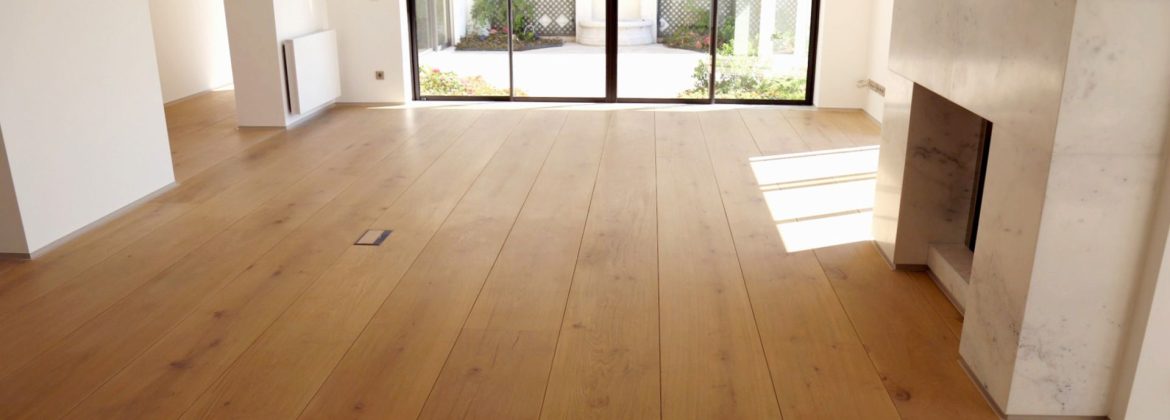
Floorboard Repair in Chigwell can help homeowners restore the safety, stability and appearance of their wooden floors without replacing the entire surface. Loose, squeaky or damaged floorboards are common problems in properties of all ages. They may develop because of everyday foot traffic, worn fixings, moisture exposure or changes in temperature and humidity. Understanding the cause of the damage is the first step towards choosing a suitable repair and preventing the problem from returning.
Whether you have noticed a few moving boards or more extensive damage across a room, taking action early can protect the remaining flooring and help maintain the character of your home.
What Causes Loose or Damaged Floorboards?
Wood is a natural material that responds to its surrounding environment. Over time, changes in moisture levels and regular use can affect the condition of wooden flooring.
Some of the most common causes include:
- Loose nails or screws: Fixings can gradually work free, allowing boards to move when someone walks over them.
- Changes in humidity: Wood naturally expands and contracts as environmental conditions change, sometimes creating gaps or movement.
- Water damage: Leaks, spills and excessive moisture can cause timber to swell, warp or weaken.
- Worn subflooring: If the supporting surface beneath the boards becomes damaged, the flooring may feel unstable.
- General wear and tear: Heavy furniture, repeated foot traffic and ageing materials can contribute to cracks, splits and surface damage.
Identifying the underlying cause is important because simply securing a loose board may not solve a problem caused by moisture or a deteriorating subfloor.
Signs Your Floorboards Need Attention
Not every flooring problem requires major work, but certain warning signs should not be ignored.
1. Squeaking or Creaking Sounds
A floor that makes noise whenever someone walks across it may have loose fixings or movement between the boards and the supporting structure. Occasional creaking can be normal in older properties, but persistent or worsening sounds deserve closer inspection.
2. Boards That Move Underfoot
If a board lifts, rocks or dips when you step on it, its fixings may have loosened. Movement can also indicate a problem beneath the floor. Avoid repeatedly putting pressure on an unstable section, particularly if it feels unsafe.
3. Visible Cracks and Splits
Small surface marks may be cosmetic, whereas deeper cracks can affect the board’s strength. Check whether the damage is limited to the finish or extends through the timber.
4. Gaps Between
Small seasonal gaps can occur naturally in wooden flooring. However, unusually wide gaps or sudden changes may indicate excessive drying, movement or installation issues.
5. Warping or Discolouration
Raised edges, uneven boards, dark stains and soft patches can indicate moisture damage. If you suspect a leak, address the source of the water before attempting to repair the floor.
How to Fix Loose or Damaged Floorboards
The right repair depends on the flooring type, the extent of the damage and how the boards are attached.
Step 1: Inspect the Affected Area
Start by identifying which boards are loose, cracked or uneven. Look for exposed nails, damaged edges, staining and signs of movement around the affected area.
Check whether the problem affects one board or several sections. If the floor feels significantly unstable, avoid lifting boards yourself and arrange a professional assessment.
Step 2: Secure Loose Floorboards
A board that has come loose because of a failed fix may be repairable without replacement. Depending on the floor construction, a suitable flooring screw or other compatible fixing may help secure it.
Before drilling or driving fixings, establish what lies beneath the board. Pipes, electrical cables and underfloor heating can create serious risks if accidentally damaged. Never force a fixing into an unknown area.
Older floors may also require a different approach to preserve their original timber and appearance.
Step 3: Repair Minor Surface Damage
Light scratches and small marks can sometimes be improved using a repair product suitable for the wood species and existing finish. Always test the product in an inconspicuous area first.
Deeper scratches, chips and splits may need specialist filling, colour matching or refinishing. Applying a thick layer of filler over a moving or structurally damaged board will not provide a lasting repair.
Step 4: Replace Severely Damaged Boards
A board that is rotten, extensively split or badly warped may need replacing. The damaged section must be removed carefully without harming the neighbouring boards or the subfloor.
Matching the replacement timber, thickness, grain and finish can be particularly important when working with visible wooden flooring. A close match helps the repaired section blend into the surrounding floor.
Step 5: Check the Subfloor
If the boards continue moving after repairs, the supporting surface may be responsible. Damaged timber, uneven areas or moisture beneath the floor should be investigated before the boards are secured again.
Correcting the underlying issue can prevent repeated repairs and improve the stability of the finished floor.
Step 6: Restore the Finish
Once the boards are secure and any necessary replacements are complete, the surface may benefit from sanding and refinishing. This can help reduce the appearance of scratches, worn patches and differences between repaired and existing timber.
The appropriate finish depends on the flooring material, its previous treatment and the appearance you want to achieve.
Should You Repair Floorboards Yourself or Hire a Professional?
Minor cosmetic marks may be suitable for a careful DIY repair. However, loose boards, extensive cracks, repeated squeaking and moisture-related damage can require more detailed investigation.
Professional assistance is particularly useful when:
- Several boards are moving or lifting.
- The floor has suffered water damage.
- Replacement boards need to match existing timber.
- The subfloor may be uneven or deteriorating.
- Sanding and refinishing are required across a larger area.
An experienced flooring specialist can assess the damage and recommend whether targeted repairs, board replacement or restoration is the most practical option.
How to Prevent Future Floorboard Damage
Regular maintenance can help keep wooden flooring in good condition for longer.
- Clean up spills promptly and investigate recurring damp patches.
- Maintain reasonably consistent indoor humidity.
- Use protective pads beneath furniture legs.
- Sweep or vacuum regularly to remove grit that can scratch the finish.
- Avoid dragging heavy furniture across the floor.
- Check for loose boards and signs of damage during routine cleaning.
- Use cleaning products designed for your particular flooring finish.
These simple habits can reduce everyday wear and help you identify potential problems before they become more expensive to resolve.
Professional Floorboard Repair in Chigwell
When DIY methods are not enough, choosing an experienced flooring specialist can help you find a suitable long-term solution. ZeX Wood Flooring provides wood flooring services, including floorboard fitting, sanding and refinishing, helping homeowners maintain attractive and functional floors.
The best repair approach depends on the type of timber, the condition of the existing boards and the cause of the damage. An assessment can help establish whether a local repair is sufficient or whether more extensive restoration is needed.
If your floor is squeaking, moving or showing signs of wear, contact ZeX Wood Flooring to discuss your requirements.
Call 7721969588 to enquire about your flooring needs and arrange a conversation about the options available for your property.
Conclusion
Loose or damaged floorboards do not always mean that an entire floor needs replacing. In many cases, identifying the cause and repairing the affected sections can improve stability and preserve the existing timber.
The key is to distinguish between minor surface damage and issues involving moisture, fixings or the supporting structure. By addressing problems early, maintaining your flooring correctly and seeking professional advice when needed, you can help keep your wooden floors looking good and performing well for years to come.
Frequently Asked Questions
Q. Can loose floorboards be repaired without replacing them?
Yes. If the timber is still in good condition, loose boards can sometimes be secured using suitable fixings. Replacement may be necessary if the wood is rotten, badly split or structurally weakened.
Q. Why do my floorboards squeak when I walk on them?
Squeaking often occurs when boards move against fixings or supporting surfaces. Changes in humidity, worn fixings and subfloor movement can also contribute to the noise.
Q. Is water-damaged wooden flooring repairable?
Some water-damaged floors can be restored if the timber remains sound and the moisture source is addressed. Severely warped, rotten or weakened boards may need replacement.
Q. Can damaged floorboards be sanded and refinished?
Yes, if the boards are structurally sound and have enough usable timber for the required treatment. Sanding can improve surface appearance, but it will not correct loose fixings or serious structural damage.
Q. When should I call a flooring professional?
Seek professional advice if several boards are unstable, the floor is lifting, moisture damage is present or previous repairs have failed. Prompt investigation can help prevent further deterioration.
About Author

Leave A Comment
You must be <a href="https://www.zexwoodflooring.co.uk/wp-login.php?redirect_to=https%3A%2F%2Fwww.zexwoodflooring.co.uk%2Fhow-to-fix-loose-or-damaged-floorboards%2F">logged in</a> to post a comment.